Caucasian Ovcharka Embroidery Design
As an embroidery designer and product reviewer, I often find myself evaluating digital designs for real-world use. The Caucasian Ovcharka template design caught my attention for its clean silhouette and strong visual identity. It’s a versatile piece that can serve as a logo, monogram, or standalone embroidery project. But before jumping into using it on client work or selling it as a digital product, I wanted to test it in practical scenarios to understand its strengths and limitations.
First Impressions: A Bold and Recognizable Design
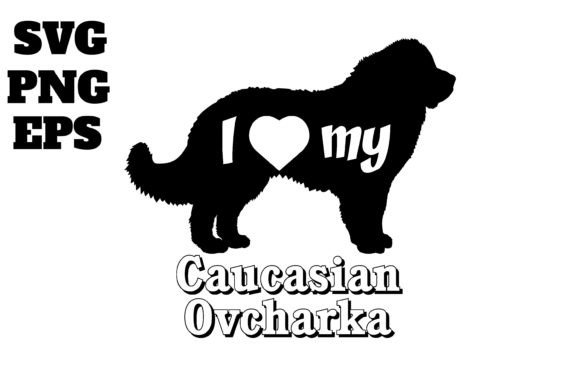
The Caucasian Ovcharka design immediately evokes a sense of strength and loyalty—perfect for a dog lover’s project. Its silhouette is crisp, with clear lines that translate well into machine embroidery. The layout is simple but effective, making it ideal for logos, patches, or personalized gifts. The theme is straightforward, focusing on the breed’s distinct shape without unnecessary embellishments.
This design feels like it belongs on custom apparel, especially for pet-related businesses or handmade shops targeting dog owners. It also works well as a decorative element on baby items, tote bags, or holiday gifts. The lack of intricate details means it’s less likely to get lost in dense stitching, which is a plus for beginners or those working with limited hoop sizes.
Real-World Use: How It Performs in Different Projects
I tested the Caucasian Ovcharka on several fabrics and projects to see how it fared in different situations. On a standard cotton t-shirt, it looked clean and professional. The stitch density was moderate, so it didn’t overwhelm the fabric. For a sweatshirt or tote bag, the design held up well, especially when using a stabilizer to prevent puckering.
On a baby onesie, the design was too large for the small hoop size. That’s something to consider if you’re planning to use it on delicate or small items. The same goes for thin or stretchy fabrics—without proper stabilization, the design could lose its shape or become distorted during stitching.
When used on dark fabric, the Caucasian Ovcharka design stood out nicely, but I noticed some areas where the thread color might not contrast enough. It’s important to check thread color options and ensure they match the fabric background for maximum visibility.
Where to Use It Carefully
While the Caucasian Ovcharka is a solid choice for many projects, there are a few areas where caution is needed. Small hoop sizes may limit the design’s usability, especially if it’s meant for detailed corners or curved surfaces like caps. The design isn’t ideal for layered garments or textured fabrics, as the stitches could get lost in the weave.
For commercial embroidery projects, this design is best suited for larger items like aprons, pillow covers, or printed mockups. It’s not the best fit for tiny lettering or intricate details, as the simplicity of the design doesn’t allow for much variation. If you’re looking for an applique design or one with satin stitch elements, this may not be the right choice.
Impact on Visual Appeal and Customer Perception
The Caucasian Ovcharka has a strong visual presence that can elevate the look of any handmade product. Its clean lines and recognizable shape make it easy to identify, which is great for branding or personalized gifts. Customers often appreciate designs that are both meaningful and visually appealing, and this one checks both boxes.
In terms of value, this design can add a professional touch to custom apparel or boutique merchandise. It’s also a good fit for Etsy sellers or craft business owners looking for a reliable, repeatable design. However, its effectiveness depends on how well it’s executed in the final product. Poorly stitched or mismatched threads can quickly turn a good design into a subpar finished item.
Practical Designer Notes
Before using the Caucasian Ovcharka in your own projects, I recommend testing it on scrap fabric first. This helps you assess how the stitches look on different materials and whether the design needs adjustments. Check the stitch density to make sure it’s appropriate for your project type—too dense and it may cause fabric distortion; too light and it may not hold up over time.
Make sure the hoop size is suitable for the design. If you’re planning to use it on curved surfaces like caps or hats, you may need to adjust the file or use a different hoop. Also, inspect the small details closely to ensure they’re clear and won’t be lost in the stitching process.
When presenting the design to clients or customers, consider using printable mockups to show how it will look on different products. This helps set expectations and increases the likelihood of a satisfied buyer. Don’t forget to check the licensing terms before selling finished items or digital products, even if the design seems straightforward.
Final Thoughts: A Reliable Choice for the Right Projects
The Caucasian Ovcharka is a solid embroidery design that works well for a variety of applications. It’s particularly suited for custom apparel, personalized gifts, and small business merchandise. Its clean, bold style makes it easy to integrate into different projects, and its simplicity ensures it won’t be overwhelmed by complex stitching or fabric textures.
As with any machine embroidery design, success depends on how well it’s executed and how well it fits the intended use. Whether you’re an Etsy seller, a craft business owner, or a hobbyist, the Caucasian Ovcharka offers a reliable foundation for creative and commercial projects. Just remember to test it thoroughly and consider the practical aspects of each application before finalizing your work.