Chinook Embroidery Design Review
First Impressions of Chinook
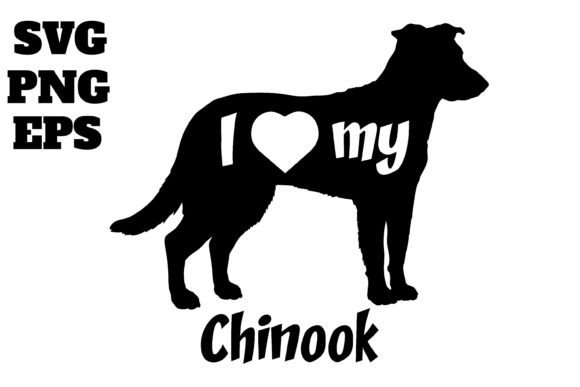
Chinook is a straightforward, clean design that immediately conveys a sense of simplicity and elegance. The silhouette of a dog in a monogram style feels modern and versatile, making it ideal for a wide range of embroidery projects. Its minimalist approach makes it easy to adapt to different fabrics, colors, and sizes without losing its visual appeal.
The layout is balanced, with a clear focal point that works well on both small and large surfaces. It doesn’t have excessive detail, which is a plus for those who prefer a subtle, professional look. The design feels like it was created with practicality in mind—perfect for custom apparel, personalized gifts, or branded merchandise.
Real-World Use Cases for Chinook
Imagine you're preparing a custom embroidered tote bag for a client who wants a unique, handmade touch. Chinook would be an excellent choice for the front panel. Its clean lines and simple shape make it easy to stitch, and it doesn’t require too many thread changes or complex techniques.
It also works well as a sweatshirt embroidery design, especially for casual wear. The design’s size and structure make it suitable for standard hoop sizes, and it won’t overwhelm the garment. For baby items, such as onesies or blankets, Chinook offers a gentle, recognizable image that parents will appreciate.
If you’re creating an embroidered patch for a jacket or backpack, Chinook’s simplicity ensures it stands out without being too busy. It’s also a solid option for holiday embroidery, where clarity and readability are essential.
Where Chinook Excels in Embroidery Projects
Chinook performs best on smooth, stable fabrics like cotton, linen, or polyester blends. Its design allows for even stitch density, making it less likely to pucker or distort during the embroidery process. The lack of intricate details means it’s less prone to issues like thread breakage or misalignment.
For small business owners and Etsy sellers, this design can be a reliable addition to your digital product library. It’s suitable for printable mockups and can be used in digital embroidery files for customers to download and use themselves. Its clean aesthetic also helps maintain brand consistency across different products.
As a machine embroidery design, Chinook is easy to work with. It doesn’t require complicated stitching techniques like intricate applique design or detailed satin stitch patterns. Instead, it relies on fill stitches and running stitches, which are straightforward to execute.
Considerations for Specific Fabric Types
While Chinook is generally user-friendly, there are some situations where it may need extra attention. On thin or stretchy fabrics, it’s important to use the right stabilizer to prevent puckering or distortion. Dark fabrics may require a contrasting thread color to ensure visibility, especially if the design is placed on a background that’s similar in tone.
Textured fabrics can sometimes make the design appear less crisp, so testing on a scrap piece of fabric before committing to a project is always a good idea. If you’re working with layered garments or curved surfaces like caps, you may need to adjust the hoop size or consider alternative placement options.
Design Details That Matter
One thing to note is that Chinook doesn’t include tiny lettering or intricate corners that might be challenging to stitch. This makes it a great choice for beginners or those looking for a hassle-free embroidery experience. However, if you’re aiming for a more elaborate look, you may want to pair it with additional design elements or decorative accents.
When using Chinook for commercial embroidery projects, it’s important to confirm the licensing terms before selling finished products. Make sure the design is suitable for both personal and commercial use, and always check the file formats provided—SVG, PNG, and EPS are all useful for different applications.
Practical Tips for Using Chinook
- Test on scrap fabric first: Always do a trial run to see how the design looks and behaves on your chosen material.
- Check thread color contrast: Ensure the thread color complements the fabric and enhances the design’s visibility.
- Review stitch density: Make sure the design isn’t too dense, which could cause bulkiness or affect the fabric’s feel.
- Confirm hoop size: Chinook should fit within standard hoop sizes, but double-check to avoid any surprises.
- Inspect small details: Even though the design is simple, check for any areas that might need special attention during stitching.
- Test in black and white mockups: This helps assess how the design will look on different backgrounds and in various lighting conditions.
- Compare light and dark fabric backgrounds: Some designs may look better on one than the other, so test both options.
- Use proper stabilizer: Especially important for delicate or stretchy fabrics to keep the design from distorting.
- Confirm licensing: Before selling any finished products or digital files, make sure you have the rights to do so.
Final Thoughts on Chinook
Chinook is a reliable, versatile embroidery design that can fit into a variety of projects. Its clean, minimal aesthetic makes it appealing for both personal and commercial use, and its straightforward construction makes it accessible to designers of all skill levels.
Whether you’re creating a custom apparel piece, a personalized gift, or a small shop product, Chinook has the potential to add value and professionalism to your work. Just remember to take the time to test it thoroughly and consider the fabric and project requirements before finalizing your design.