Havanese I Love My Dog Vector: An Embroidery Designer’s Take on a Canine Classic
When you work with custom embroidery day in and day out, you develop a sixth sense for which designs will stitch cleanly and which will give you headaches. I’ve digitized hundreds of pet portrait logos and monograms, so when I came across the Havanese I Love My Dog Vector, I was immediately curious. This isn’t an embroidery file straight out of the box—it’s a print template and graphics asset, delivered as SVG, PNG, and EPS. But for anyone who does machine embroidery, converting a vector like this into stitch files is a familiar process. The real question is whether the design’s structure, detail level, and mood will hold up in thread, hoop after hoop.
Let me walk you through what I see as a working designer, how I’d test this before using it on real products, and where it fits best in a handmade or craft business lineup. Whether you’re an Etsy seller, a small shop owner, or just someone who loves stitching personalized gifts for friends, this vector has serious potential—but you need to treat it with the care any good design deserves.
First Impressions: Clean Silhouette, Emotional Hook
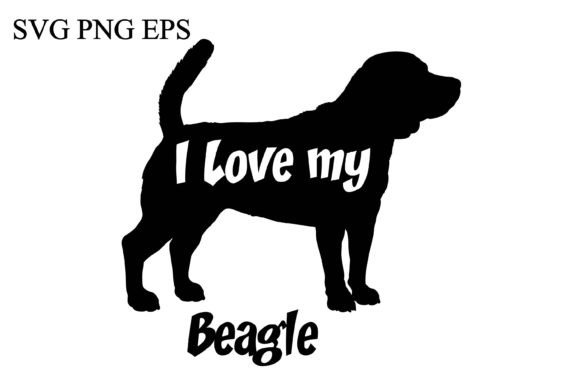
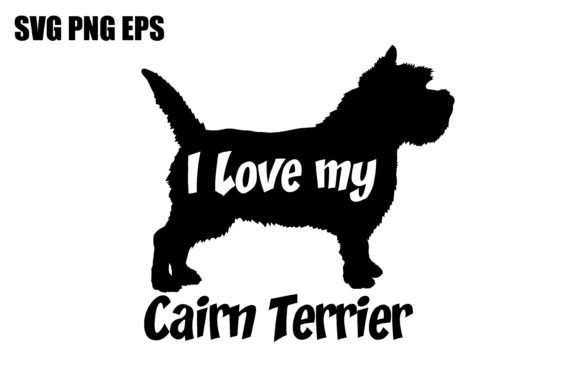
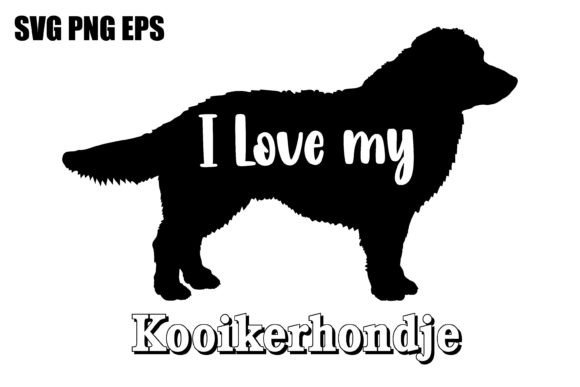
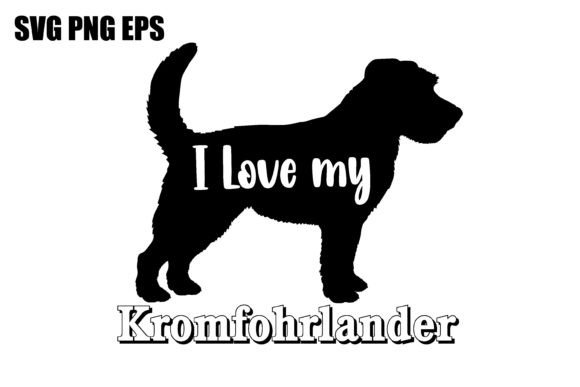
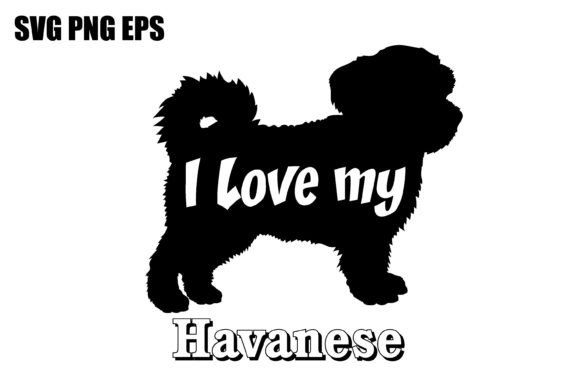
The Havanese I Love My Dog Vector presents a silhouette-style dog breed logo, likely centered around the characteristic Havanese shape—fluffy ears, compact body, that cheerful little face. The “I Love My Dog” monogram or text element is built into the layout, making it an instant statement piece. What strikes me first is the balance: it’s not overly detailed, which is a huge advantage for embroidery. The silhouette nature means you can work with solid fills, satin stitches for outlines, or even convert it into an applique design without losing the essence of the breed.
The mood is affectionate, proud, and playful. A Havanese owner will recognize that silhouette immediately, and that kind of recognition builds trust and emotional connection in a finished product. Whether you’re stitching a tote bag for a boutique client or adding a patch to a sweatshirt for a craft fair, this vector gives you a foundation that feels both personal and professional.
Real Case: Prepping a Custom Embroidered Tote Bag
Let me paint a practical scenario. A regular client asks for a custom tote bag featuring her Havanese, with a simple “I Love My Dog” motif. She wants it for everyday use, not just a gift. I pull up the Havanese I Love My Dog Vector and start thinking about the embroidery path.
First, I’ll bring the EPS or SVG into my digitizing software. The silhouette shape is clean, so I can assign a fill stitch for the main body and a satin stitch for the edges to give it a polished, slightly raised look. The text element will need careful handling—small lettering on a tote bag that will be washed frequently needs dense running stitches or a small satin stitch with good underlay to prevent distortion. I’d also test it on a scrap piece of cotton canvas at the same hoop size I plan to use for the final bag. If the design is too large for a 4x4 hoop, I might need to split it or resize, but the vector format makes scaling easy without losing quality.
After stitching a test, I can assess how the black silhouette pops against a light bag, or how a white thread might work on a dark fabric. The single-color nature of this vector is a blessing for production speed—one thread color, one stoppage, fewer bobbin changes. That’s efficient for a small business making multiple items.
Where the Design Shines: Products That Love a Silhouette
From my experience, this design works wonderfully on custom apparel like sweatshirts, t-shirts, and baby clothes. The absence of tiny, intricate details means it remains readable even on textured fabrics like fleece or terry cloth. I also see it doing great as an embroidered patch—stitch the silhouette onto twill, cut it out, and you have a versatile patch that can be ironed onto backpacks, hats, or jackets. For holiday gifts, imagine a tea towel or pillow cover with the Havanese silhouette and a seasonal thread color—red for Christmas, pastel for Easter. The design’s clean lines make it easy to pair with additional elements like paw prints or hearts if you want to expand the theme.
Printable mockups are another win. Since this is a vector, you can create digital product previews for Etsy listings—show the design on a mockup of a onesie, apron, or cap. The PNG and SVG formats already give you transparent backgrounds, so mockups look professional without extra editing. That’s a huge time-saver for a craft business.
Careful Use: Where This Design Needs Extra Attention
No design is perfect for every application, and I’d caution you on a few points with the Havanese I Love My Dog Vector:
- Small hoop sizes: If you try to shrink this down to fit a 3x3 hoop (common for caps or small patches), the text may become unreadable and the silhouette’s edges may blur. Always test a scaled-down version before committing.
- Stretchy fabrics: The solid fill areas can cause puckering if you don’t use a proper cutaway stabilizer and float the fabric. The silhouette’s density needs to be balanced—too dense, and stretch knits will pull; too light, and you lose the solid look.
- Dark fabrics: If you stitch with a light thread on a dark background, the silhouette effect works, but you might lose the “I Love My Dog” text. Consider a contrasting thread color or a small running stitch outline around the text area to maintain legibility.
- Curved surfaces like caps: The rounded shape of a cap can distort the design if it’s too wide. You might need to reduce the width or split it into two hoops. The vector format lets you adjust the aspect ratio, but do it with an eye on the breed’s proportions—don’t squish the Havanese’s face.
Also, keep in mind that this is a print template and graphics asset, not a pre-digitized embroidery file. You will need to digitize it yourself or have it converted. Check the license agreement that came with your purchase to confirm whether you can use it for commercial embroidery on items you sell. Most vector files allow commercial use in finished products, but read the fine print.
Visual Appeal and Customer Perception
When I show a test stitch of this design to a client, the first thing they notice is the clarity. A silhouette doesn’t fade into messy stitches; it stays bold and defined. That clarity translates to a handmade product that feels intentional—not cheap or rushed. For a small shop owner, that builds credibility. A customer who buys a custom-embroidered sweatshirt expects it to last. Properly digitized from this vector, the design will hold up to many washes, especially if you use quality thread and stabilizer.
Boutique branding is another angle. If you’re creating a line of pet-themed products for your shop, this vector can be a consistent motif across different items: tote bags, aprons, hats, kitchen towels. The monogram-style text adds a cohesive look. Customers who see that logo on multiple products will start associating it with your brand—and that’s precisely how a design asset becomes an asset to your business.
Practical Designer Notes Before Stitching
Before you start production, here are my non-negotiable steps for using the Havanese I Love My Dog Vector in an embroidery project:
- Test on scrap fabric – Use the exact fabric blend you plan for the final product. Cotton, poly-blend, fleece, denim—each reacts differently. Run one test, adjust density or underlay, then test again.
- Check thread color contrast – The silhouette works best in high contrast. Try black on white, white on navy, or bright red on cream. Avoid similar tones that wash out the shape.
- Review stitch density – When digitizing, keep fill stitches around 4-5 mm length for most fabrics, and adjust for each type. Too dense can cause thread breaks; too loose looks sparse.
- Inspect small details – If the vector includes fine lines (e.g., whiskers or toe details), consider omitting them or converting to running stitch lines. They may not stitch cleanly at small hoop sizes.
- Test in black and white mockup – Print the design in grayscale to check readability. If the text disappears on a plain background, it will likely be hard to read in embroidery as well.
- Choose stabilizer wisely – For most apparel, cutaway stabilizer is best. For towels or linens, use tearaway with a water-soluble topping to prevent sinking.
- Confirm licensing – Since this is a graphics product from the “Print Templates” category, verify the license covers commercial use in embroidered items and digital product mockups. When in doubt, ask the seller.
Final Thoughts for Makers and Small Shop Owners
The Havanese I Love My Dog Vector is a solid addition to any pet-loving crafter’s design assets. It’s not an embroidery file, but it gives you the clean starting point you need to create one. The silhouette approach suits a wide range of projects—from custom apparel to home decor to personalized gifts—and the built-in text makes it feel like a complete design, not just a generic clipart. With thoughtful digitizing and proper stabilizer choice, you can produce finished products that look professional and sell well at craft fairs or on Etsy.
I’ve applied designs like this to everything from baby onesies to barbecue aprons, and the key is always the same: respect the design’s limitations and test before you commit. This vector has the charm, the brand potential, and the breed-specific appeal that buyers love. Now it’s up to you to turn that vector into thread and share it with the world—one stitched Havanese at a time.