Small Munsterlander I Love My Dog: A Designer's Honest Review
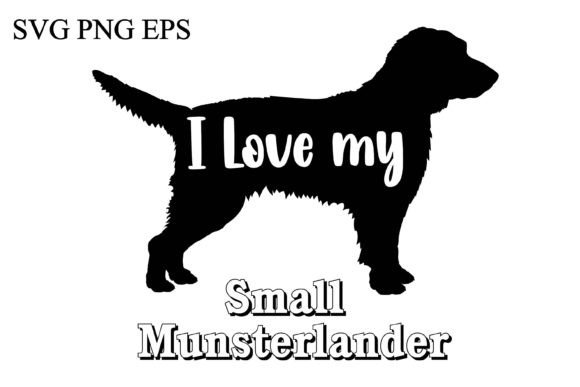
When I first opened the Small Munsterlander I Love My Dog design, I was struck by how clean and confident the silhouette felt. This is not a fussy, overcomplicated piece of clip art. It is a graphic that knows exactly what it wants to say: this dog breed matters to the person wearing it. As someone who has tested hundreds of machine embroidery designs on everything from stretchy jersey to stiff denim, I have a practical eye for what works and what does not. This design, available as a Print Templates asset in the Graphics category, offers a silhouette-based approach that translates well into stitched form if handled with care.
First Impressions: Mood, Shape, and Visual Personality
The Small Munsterlander I Love My Dog design presents a breed silhouette that is both distinctive and understated. The shape is recognizable to anyone familiar with the Small Munsterlander, but it does not rely on excessive detail to make its point. The layout is compact, with a clean outline that suggests confidence and loyalty. The mood is warm, personal, and slightly nostalgic. It feels like a design meant for someone who considers their dog a true family member, not just a pet.
The detail level is moderate. The silhouette is not overly simplified into a generic dog shape, but it also does not attempt to capture every feather of fur. This is a smart balance for embroidery. Too much detail in a small hoop size leads to thread breaks and muddy shapes. Too little detail makes the design look like a generic outline. Small Munsterlander I Love My Dog sits in the sweet spot where the breed identity remains clear without demanding extreme stitch precision.
The visual personality feels authentic and unfussy. It would appeal to Small Munsterlander owners who appreciate a design that reflects their dog without being cartoonish or overly sentimental. That honesty makes it a strong candidate for handmade products, personalized gifts, and small shop merchandise.
Real-Life Use Case: A Custom Embroidered Tote Bag
I decided to test this design on a project I often prepare for clients: a sturdy cotton tote bag meant for farmers market trips and dog park outings. The tote bag fabric was a medium-weight canvas with a tight weave, ideal for holding stitch detail without distortion. I wanted to see how the silhouette would look at a practical size, around four inches wide, which is a common hoop size for tote bags, sweatshirts, and pillow covers.
After hooping the fabric with a cutaway stabilizer, I stitched a test run using a medium gray thread on a cream background. The result was crisp and readable. The outline of the Small Munsterlander came through cleanly, and the internal negative space held its shape. The design did not require multiple thread color changes, which kept the stitching time low and the production cost efficient. For an Etsy seller or small business owner, that kind of efficiency matters. You can produce multiple units in a single session without constantly babysitting the machine.
I also tested it on a dark navy sweatshirt using a light gray thread. The contrast was strong, and the silhouette remained legible even from a few feet away. That is a good sign for custom apparel intended to be worn in public, where the design needs to communicate its message quickly.
How the Design Performs in Real Embroidery Situations
In my experience, a silhouette-based design like Small Munsterlander I Love My Dog performs well across a range of fabric types, but there are nuances to consider.
- Custom apparel such as t-shirts, sweatshirts, and hoodies benefits from the design's moderate stitch density. It does not create a stiff, board-like patch of stitches that pulls on knit fabric. The silhouette lays flat and flexes with the garment.
- Tote bags, aprons, and pillow covers made from woven cotton or canvas are ideal. The fabric holds the stitches without puckering, and the design's simple shape resists distortion even after multiple washes.
- Baby clothes and nursery decor can work if the design is scaled down appropriately. The silhouette is not inherently babyish, but it can be charming on a small onesie or a framed hoop for a child's room.
- Embroidered patches are a natural fit. The design's clean outline makes it easy to trim around the patch border, and the lack of fine detail means the patch will hold up well when sewn onto bags, jackets, or hats.
- Digital product previews and printable mockups benefit from the design's scalable vector format. The SVG and EPS files allow you to resize the design without losing quality, and the PNG file works well for mockup presentations on Etsy or your own shop site.
Where to Use This Design Carefully
No design is universal, and Small Munsterlander I Love My Dog has a few limitations worth noting before you commit to a production run.
Small hoop sizes can be a challenge. If you try to stitch this design at a width of less than two inches, the silhouette may lose some of its breed-specific character. The ear shape and the tail set, which are key identifiers for the Small Munsterlander, become harder to read at very small scales. I recommend testing the design at your intended size before stitching on a final product.
Textured fabrics like fleece, bouclé, or heavy terry cloth can obscure the silhouette's edges. The design relies on a clean outline to communicate its shape, so fabrics with a lot of surface texture can blur that line. If you are working with a fuzzy fabric, consider using a heavier stabilizer and a slightly larger hoop size to maintain clarity.
Stretchy fabrics such as lightweight jersey or ribbed knit require careful hooping and a good quality cutaway stabilizer. The design's moderate stitch density helps, but any distortion in the fabric will be visible in the final silhouette. I always stitch a test on scrap fabric before committing to a stretchy garment.
Curved surfaces like caps or small cylindrical items can be tricky. The design's compact shape helps, but you will want to use a cap hoop or a floating technique to keep the fabric stable. The silhouette should not be placed too close to seams or brim edges where the fabric tension changes.
Dark fabrics require careful thread color selection. A black silhouette on a dark navy or charcoal fabric will disappear. You need a contrasting thread color, preferably a light or bright shade, to make the design pop. I recommend testing thread colors on a scrap of the actual fabric before stitching the final product.
Visual Appeal, Product Value, and Customer Trust
From a customer's perspective, the Small Munsterlander I Love My Dog design communicates a few important things. First, it shows that the product was made by someone who understands breed-specific design. That builds trust with buyers who are looking for a gift that reflects their own dog. Second, the clean silhouette suggests quality and durability. A design that is not cluttered with tiny details will hold up better over time, and customers notice that.
For small business owners and Etsy sellers, using this design on a handmade product adds a layer of personalization that mass-produced items cannot match. A customer who buys a custom embroidered tote bag or sweatshirt with this design is likely to keep it for years and share it with friends. That kind of organic word-of-mouth marketing is invaluable for a small shop.
The design also works well for brand consistency if you offer multiple breed-specific products. A customer who buys a Small Munsterlander design for their own dog may return later for a gift featuring another breed, as long as the style and quality remain consistent. This design's silhouette approach is versatile enough to fit into a cohesive product line.
Practical Embroidery Designer Notes
Before you use Small Munsterlander I Love My Dog in a client project or a production run, here are a few practical steps I recommend based on my own testing.
- Test the design on scrap fabric first. This is the most important step. You need to see how the silhouette behaves on your specific fabric, with your specific stabilizer, at your intended hoop size. Do not skip this step, even if you have used similar designs before.
- Check thread color contrast. The design relies on a clear difference between the thread and the fabric. Hold your thread choices against the fabric in natural light to ensure the silhouette will be readable.
- Review stitch density. The design's stitch density should be appropriate for the fabric you are using. If the density is too high, the fabric may pucker. If it is too low, the silhouette may look patchy. If you have the ability to adjust density in your embroidery software, do so carefully.
- Confirm hoop size. The design is provided as a vector file, so you can scale it to fit your hoop. But be aware that scaling up too much may reveal gaps in the fill, and scaling down too much may lose detail. Test at your target size before stitching.
- Inspect small details. Look at the ear shape, the tail set, and the leg position. These are the elements that make the Small Munsterlander recognizable. If any of these areas look distorted at your chosen size, consider adjusting the scale or the stitch settings.
- Test in black and white mockups. Before you commit to thread colors, create a grayscale mockup of the design on your fabric. This helps you see the silhouette's contrast and clarity without the distraction of color.
- Compare light and dark fabric backgrounds. The design will read differently on a white shirt versus a black one. I recommend testing both scenarios to see which one you prefer and which one your customers are likely to choose.
- Use proper stabilizer. For most woven fabrics, a cutaway stabilizer is the safest choice. For knit fabrics, a medium-weight cutaway or a tearaway with a backing layer can work. Always match the stabilizer to the fabric weight and stretch.
- Check licensing before selling finished items or digital products. The design is listed as a Print Templates asset in the Graphics category, which typically means it is intended for use in creating physical products and digital mockups. However, I recommend reviewing the specific license terms for commercial use, especially if you plan to sell finished embroidered items or include the design in digital product bundles. Do not assume that all uses are permitted without confirmation.
Final Thoughts on Small Munsterlander I Love My Dog
The Small Munsterlander I Love My Dog design is a solid, practical choice for anyone who works with machine embroidery, custom apparel, or handmade products. Its silhouette style is clean enough to stitch reliably, yet detailed enough to communicate breed identity. It works well on a range of items, from tote bags and sweatshirts to patches and nursery decor, and it offers good value for small business owners who need to produce consistent, appealing products.
That said, the design is not a one-size-fits-all solution. It requires careful scaling, thoughtful thread color selection, and appropriate stabilizer choices to perform at its best. If you take the time to test it on your specific fabric and hoop size, the result will be a professional-looking product that your customers will appreciate.
For the Etsy seller, the craft fair vendor, or the boutique owner looking for a dog breed design that feels personal without being cluttered, Small Munsterlander I Love My Dog is worth a close look. It is a design that respects both the dog and the person who loves it, and that is a quality that tends to sell itself.