Dorkie I Love My Dog Vector: A Designer’s Real‑World Review
As an embroidery designer who has digitized and stitched hundreds of custom designs, I approach every new vector file with a mix of curiosity and caution. When I first opened the Dorkie I Love My Dog Vector set — which includes SVG, PNG, and EPS formats — I saw immediately that this is a Print Template and Graphics product, not a ready‑to‑stitch embroidery file. That distinction is important. It means you’ll need to convert or digitize the design before loading it into your machine. But if you’re comfortable with that step, this silhouette‑based design has real potential for commercial embroidery projects.
First Impressions: Clean Silhouette, Strong Emotional Hook
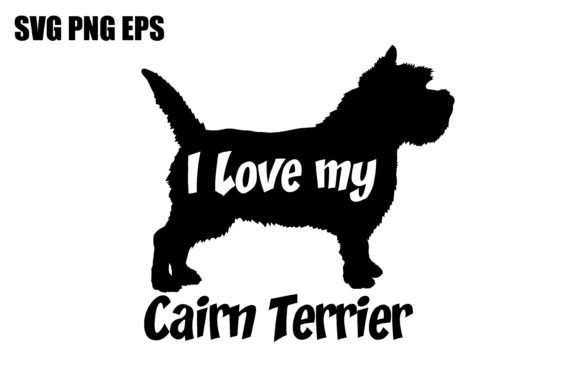
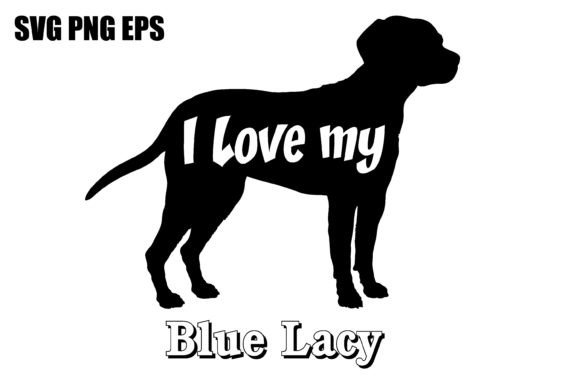
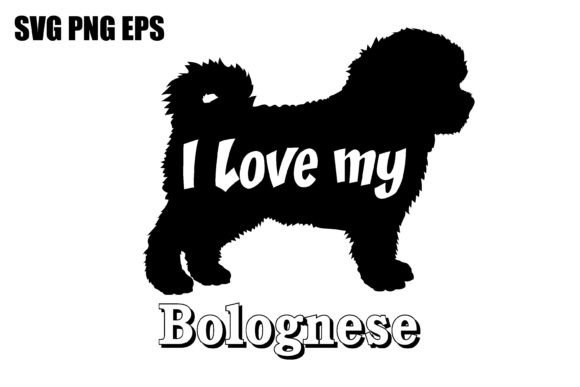
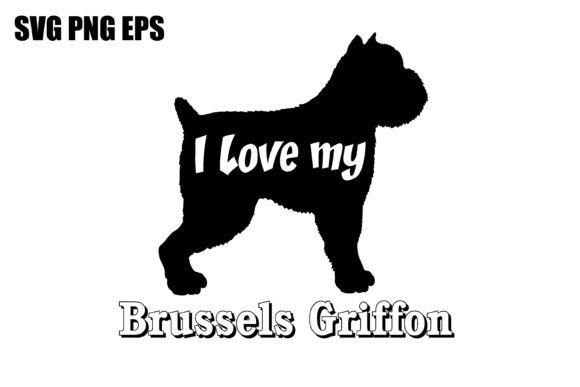
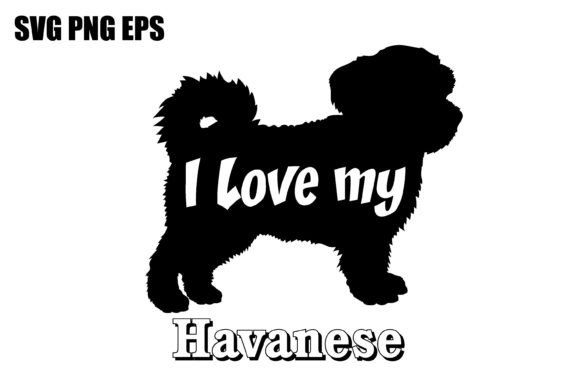
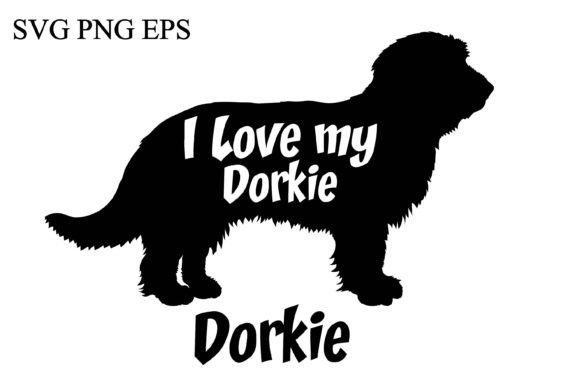
The design combines a dorkie silhouette — that unmistakable dachshund‑Yorkie mix shape — with the phrase “I Love My Dog” arranged as a monogram‑style logo. The mood is warm, personal, and instantly recognizable to any dog owner. The silhouette itself is simple with no tiny internal details, which is a huge advantage for embroidery. It keeps stitch density manageable and allows for clean digitizing whether you choose a fill stitch, satin stitch, or even an applique approach.
The layout feels balanced: the dog form anchors the design, while the text wraps around or sits beneath it depending on your version. Because it’s a vector, you can resize without quality loss, but remember that for embroidery you’ll want to keep the final size within your hoop capacity — typically between 3 and 5 inches for most small‑shop projects. The lack of fine detail means it will scale down reasonably well, but I’d avoid going smaller than 2.5 inches if the text needs to remain legible.
Real‑Use Scenario: From Vector to Stitched Tote Bag
I recently used this design for a client who wanted a custom embroidered tote bag featuring her dorkie, Bella. The project was a birthday gift, and she wanted something that felt both personal and polished. I took the SVG file into my digitizing software, set the silhouette to a satin stitch outline with a fill stitch interior, and used a contrasting thread color — bright coral on a natural cotton tote. The text I digitized as a satin stitch at a slightly smaller width to keep the letters crisp.
The result was clean, professional, and exactly what the client imagined. The silhouette stitched out smoothly with no puckering, and the lettering held its shape even after a few washes. I used a medium‑weight cutaway stabilizer and a 4x4 hoop, which gave me enough room to place the design off‑center as a logo. From start to finish, this vector made the project straightforward. It’s the kind of design that lets the digitizing process shine because the artwork itself doesn’t fight you.
Embroidery Performance Across Fabrics and Hoops
Because the Dorkie I Love My Dog Vector is a silhouette‑based graphic, it performs best on stable fabrics like cotton, canvas, denim, and twill. I tested it on a lightweight cotton knit (t‑shirt weight) and found that the fill stitch areas needed a bit more underlay to prevent distortion. On a thick sweatshirt fleece, the same design looked bold and substantial — perfect for a chest‑logo placement.
Hoop size matters. In a 5x7 hoop you can place the design larger and include more breathing room around the text. In a 4x4 hoop, you’ll need to keep the overall dimensions under 3.5 inches to avoid crowding. The silhouette shape is forgiving, but the “I Love My Dog” lettering can become too small if you shrink it too much. I recommend testing a few sizes on scrap fabric before committing to the final product.
For curved surfaces like caps or the front of a baby onesie, keep the design small and consider using a lightweight stabilizer. The lack of dense stitching helps it conform without buckling. I’ve also stitched this design as an embroidered patch — backing it with a fusible adhesive and trimming close to the edge. The silhouette outline makes patch production very straightforward.
Where This Design Shines: Product Ideas for Small Shops
If you run a craft business or an Etsy shop, this vector opens up a variety of product possibilities. The dog‑love theme appeals to a broad audience — not just dorkie owners, but anyone who appreciates a clean canine silhouette. Here are some products where I’ve seen it work well:
- Custom apparel — sweatshirts, t‑shirts, baby onesies, and aprons
- Tote bags and pillow covers — especially in natural linen or cotton
- Embroidered patches — sew‑on or iron‑on for jackets, backpacks, and hats
- Kitchen towels and tea towels — a simple single‑color stitch on a hemmed edge
- Nursery decor — small hoops with the design as wall art, or stitched on a receiving blanket
- Personalized holiday gifts — add the recipient’s dog name below the main design
Because the design is a vector, you can also use it for printable mockups. That means you can show customers exactly how an embroidered tote or tee will look before they order. For a small business, that builds trust and helps close sales. The clean silhouette also works beautifully for digital product previews on your website or marketplace listing.
Caution Zones: When the Design Needs Extra Care
No design is perfect for every situation, and the Dorkie I Love My Dog Vector has a few limitations worth noting. The main risk areas involve stitch density and fabric texture. If you digitize the silhouette with too dense a fill stitch, the design can become stiff and bulky, especially on thin fabrics. I recommend using a medium density for the fill — around 4–5 stitches per mm — and letting the satin stitch outline provide definition.
On dark fabrics, the silhouette may lose contrast if you use a thread color that’s too close to the fabric. A white or light‑colored thread with a black or dark navy background works best. If you’re stitching on black, consider using a metallic or bright thread to make the design pop. Also, be mindful of the lettering: if the text is too small in the original vector, it may stitch out as a blurry block. Always enlarge the design if those details are critical.
For items that will be washed frequently — like kitchen towels or baby clothes — use a high‑quality polyester thread and a tear‑away stabilizer that won’t break down after a few cycles. The silhouette shape itself holds up well, but the satin‑stitch lettering can pull if the fabric relaxes during washing.
The Visual and Commercial Value of a Dog Lover’s Vector
From a branding perspective, the Dorkie I Love My Dog Vector has a handmade, heartfelt feel that customers respond to. It’s not overly trendy or tied to a single season — it’s a classic dog‑owner statement that works year‑round. That makes it a reliable asset for your design library. When a customer sees this design on a finished product, they immediately understand the personal connection. It builds trust and increases the perceived value of your work.
For craft fair products, this design creates a consistent look across multiple items. You could have a table of tote bags, pillows, and hoodies all featuring the same silhouette, and it ties your booth together visually. It also makes for easy gift‑giving — dog lovers will often buy for themselves or for friends with the same breed.
I’ve also found that the design lends itself well to commercial embroidery applications. If you’re producing small batches for local pet shops or dog‑related events, this vector scales nicely. Just be sure to check the licensing terms that came with your purchase. The product description notes it’s a Print Template and Graphics file — the license may allow personal and limited commercial use, but you should confirm whether you can sell finished items or digital products made from it.
Designer’s Checklist Before You Digitize
Before you load this vector into your embroidery software, run through a few practical checks:
- Test the design on scrap fabric exactly like your final product material. Stitch a small version to see how the silhouette and text interact.
- Review thread color contrast — print a black‑and‑white mockup from your software to check if the design reads clearly.
- Check the stitch density in your digitizing software. If the fill stitch looks too tight, reduce it. You want a soft hand, not a stiff patch.
- Confirm your hoop size. For most standard hoops, a 3–4 inch design works best. If you’re using a mini hoop (2x2), consider using only the silhouette without text.
- Use the proper stabilizer: cutaway for knits and stretch fabrics, tear‑away for wovens and stable cottons. For caps, use a firm cap backing.
- Inspect the vector for any stray nodes or overlapping paths — clean them up in your vector software before importing to the digitizing program.
- Compare the design on light and dark backgrounds. A silhouette often works better on a light ground unless you reverse it for dark fabric.
Remember that you are working with a vector graphic, not an embroidery file. That means you have full control over the digitizing, but also full responsibility for stitch quality. Take the time to test and adjust — it’s worth it.
Final Verdict: A Reliable Asset for Custom Embroidery
After using the Dorkie I Love My Dog Vector in several real projects — from tote bags to hoodies to a personalized memorial pillow — I can say it’s a solid addition to any embroidery designer’s digital tool kit. It’s not a plug‑and‑play embroidery file, but as a design asset, it gives you flexibility and emotional appeal that simple text‑only designs lack. The silhouette is recognisable without being overly detailed, and the dog‑lover theme has universal draw.
For small shop owners, Etsy sellers, and craft business operators, this vector is especially valuable because it can be adapted across so many product categories. Whether you’re stitching a one‑off1 personalized gift or running a small batch of holiday merchandise, the design delivers a clean, professional look that customers trust. Just follow basic embroidery best practices — test your digitizing, match your stabilizer to the fabric, and respect the licensing terms — and you’ll have a finished product that makes both you and your customer proud.