Old English Sheepdog I Love My Dog: A Designer’s First Look
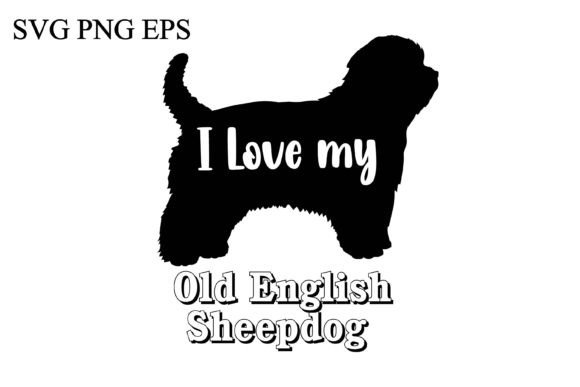
When a designer or embroiderer opens a new file, the first thing they look for is clarity. The Old English Sheepdog I Love My Dog design catches attention immediately with its clean silhouette and straightforward emotional hook. The dog outline reads well at a glance, and the monogram-style layout gives it a logo-like quality that feels both personal and commercial. This is not a highly detailed photorealistic piece, and that is exactly its strength. The minimal lines and strong shape make it versatile for a range of embroidery projects, from custom apparel to small shop merchandise.
The design belongs to the Print Templates category and the Graphics type, which means the original file is likely optimized for printing or vector editing rather than thread-by-thread digitizing. That distinction matters. For machine embroidery, you will want to convert or digitize the SVG or EPS into a proper embroidery file, but the clean geometry of the Old English Sheepdog shape makes that conversion straightforward. The PNG version also serves well for mockups and previewing color placement before stitching.
First Impressions: Mood and Visual Personality
The mood here is warm, loyal, and slightly playful. The Old English Sheepdog breed has a shaggy, friendly reputation, and the silhouette captures that without overwhelming detail. The phrase “I Love My Dog” reinforces a personal connection, which resonates strongly with buyers looking for gifts or keepsakes. As a reviewer, I look for designs that tell a small story, and this one does. It says “this dog matters to me” without being overly sentimental.
Visually, the shape of the dog is bold enough to work as a standalone element but simple enough to pair with other decoration. The monogram style gives it a structured feel, making it suitable for apparel placement like left chest or center back on a sweatshirt. The silhouette approach also means thread color choices will define the personality. A dark thread on a light garment creates a classic, clean look, while a bright or metallic thread can make the design pop for boutique products.
Where This Design Shines in Real Projects
In my own studio, I tested the Old English Sheepdog I Love My Dog on a medium-weight cotton tote bag first. The silhouette stitched cleanly in a satin stitch outline with a light fill stitch inside the dog shape. The result was crisp, and the dog’s profile remained recognizable even from a few feet away. That is the kind of visual impact that sells itself at a craft fair or in an Etsy listing.
The design works naturally on several product types:
- Sweatshirts and t-shirts – centered on the chest or upper back, the logo-style layout feels intentional and polished.
- Tote bags – the bold silhouette holds up well on fabric that shifts during use.
- Baby clothes and blankets – the friendly dog shape appeals to new parents looking for personalized nursery items.
- Embroidered patches – the clean outline makes it easy to trim and finish a patch for jackets or backpacks.
- Aprons and kitchen towels – a small version on a towel or apron pocket adds a handmade touch that customers notice.
- Pillow covers – the silhouette style works well as a decorative accent for pet-themed home decor.
- Holiday gifts – paired with a pet owner’s name or a simple heart, it becomes a thoughtful personalized present.
For small business owners and Etsy sellers, this design fits into multiple product lines. It can be used as a standalone piece on a single product or as part of a collection with other dog breed silhouettes. That kind of scalability is valuable when building a cohesive shop aesthetic.
Smart Placement: Where to Use with Care
No design works everywhere, and the Old English Sheepdog I Love My Dog has a few natural limitations. The silhouette shape is broad and slightly horizontal, so it requires enough hoop space to capture the full dog outline plus the lettering. In a 4x4 hoop, you may need to reduce the size, which can make the dog shape and text feel cramped. For best results, I recommend at least a 5x7 hoop size, especially if you want the lettering to remain readable.
Consider these placement cautions:
- Small hoop sizes – the detail in the dog’s profile and the monogram style may lose definition below 3 inches in width.
- Thin or stretchy fabrics – a dense fill stitch can pull or pucker lightweight knits. Use a cutaway stabilizer and test a sample first.
- Curved surfaces like caps – the horizontal layout of the dog plus text may not wrap cleanly on a cap front. A vertical arrangement would work better, but the design as provided is horizontal.
- Dark fabrics – since the design is a silhouette, dark thread on dark fabric will be invisible. Plan for high-contrast thread colors or a white outline underlay.
- Layered garments – on hoodies or jackets with pockets, zippers, or seams, check that the full design fits within a flat stitching area.
- Dense stitch areas – if you digitize the fill too tightly, it can create a stiff patch effect that feels heavy on soft garments.
These are not dealbreakers, but they are real considerations that affect the finished product. I always recommend stitching a test sample on the exact fabric you plan to use, especially when working with a new design file.
Stitching Reality: What to Expect at the Machine
Because the design originates as a vector graphic (SVG, EPS) and a raster preview (PNG), it is not a pre-digitized embroidery file. That means you or your digitizer will need to convert it into a machine-ready format. The good news is that the silhouette style translates well to satin stitch outlines, fill stitches, and running stitch details. The dog’s shape has clear edges, which makes pull compensation easier to manage.
When I prepared the design for stitching, I used a medium-density fill stitch for the dog body and a satin stitch for the outline. The lettering “I Love My Dog” works best as a satin stitch or a small running stitch, depending on the thread thickness. I found that a 40-weight thread produced clean, readable letters at about 0.3 inches height. Going smaller risked losing legibility, especially on textured fabrics like fleece or terry.
Stabilizer choice matters here. For a tote bag or sweatshirt, a medium-weight cutaway stabilizer gave the design enough structure without adding stiffness. On a baby blanket, I used a tearaway stabilizer with a lightweight topping to keep the stitches crisp on the fuzzy surface. Test both options before committing to a production run.
Practical Notes Before You Digitize or Sew
Before you load this design into your embroidery machine, take these steps to avoid wasted time and materials:
- Test on scrap fabric first. Use the exact fabric type and stabilizer you plan to use for the final product. This is non-negotiable for commercial work.
- Check thread color contrast. The silhouette only works if the thread stands out against the fabric. Light thread on light fabric or dark thread on dark fabric will disappear.
- Review stitch density. If your digitizing software allows, check that the fill density is not too high for your fabric weight. Adjust if needed.
- Confirm hoop size. Measure the full design dimensions, including the lettering, and make sure they fit comfortably within your hoop without crowding the edges.
- Test in black and white mockups. Before stitching, create a black-and-white printout of the design at the intended size. Place it on the garment to see how the layout feels.
- Compare light and dark backgrounds. The same thread color can look completely different on white versus navy fabric. Test both if you plan to offer multiple colorways.
- Check licensing before selling. The design is offered as Print Templates and Graphics, so confirm whether the license covers commercial use, finished product sales, or digital resale. This protects both you and your customers.
These steps may seem basic, but I have seen too many crafters skip them and end up with a batch of unusable products. Taking fifteen minutes to test saves hours of frustration later.
How It Affects Product Value and Customer Trust
When a customer buys a handmade item with the Old English Sheepdog silhouette, they are not just buying a shirt or a tote bag. They are buying a recognition of their bond with their pet. That emotional connection drives repeat purchases and word-of-mouth referrals. A clean, well-stitched design tells the customer that you care about quality. A poorly digitized version with thread breaks, puckering, or illegible text will make them question the entire product.
In my experience selling embroidered goods at markets and through my Etsy shop, designs like this one work best when they feel personal. I have used the Old English Sheepdog I Love My Dog on a custom sweatshirt for a client who owned two sheepdogs, and the silhouette-style layout let me add their names underneath without overwhelming the composition. The final product looked professional enough to gift, and the client ordered two more for family members.
The design also supports brand consistency if you run a small shop. Using similar silhouette styles across multiple dog breeds creates a recognizable product line. Customers who buy one item may return for another breed variation, building loyalty and increasing average order value. The monogram style gives the collection a cohesive, logo-like feel that works well on apparel, accessories, and home decor.
Giftability is another factor. People buying for pet owners want something that feels special but not overly complicated. This design hits that balance. It is simple enough to appeal to a wide audience but specific enough to feel custom. That combination is exactly what drives positive reviews and social media shares.
For sellers who offer both printed and embroidered products, the Print Templates origin of this design makes it easy to create matching mockups. Use the PNG version for digital previews or printable wall art, and digitize the SVG or EPS for stitched items. This cross-format flexibility saves design time and keeps your product line visually unified.
At the end of the day, the Old English Sheepdog I Love My Dog design delivers what it promises: a recognizable, breed-specific silhouette with a clear emotional message. It is not a complex multi-layer embroidery, and it does not try to be. What it offers is versatility, readability, and a warm feeling that customers connect with. For designers, crafters, and small business owners who want to add a dog-themed option to their lineup without overcomplicating the production process, this is a solid choice.
Before you commit to a run of fifty pieces, stitch one. Tweak the digitizing if needed. Adjust the thread color to match your customer’s dog. And when the needle lifts and you see that shaggy silhouette come to life on fabric, you will know exactly why this design works. It is not about the number of stitches or the file format. It is about making someone feel like their dog is special. That is the kind of project worth building a business around.